How to Kill Mold on Wood and Prevent Regrowth
May 23, 2026
The Restoration Team, LLC
Blog
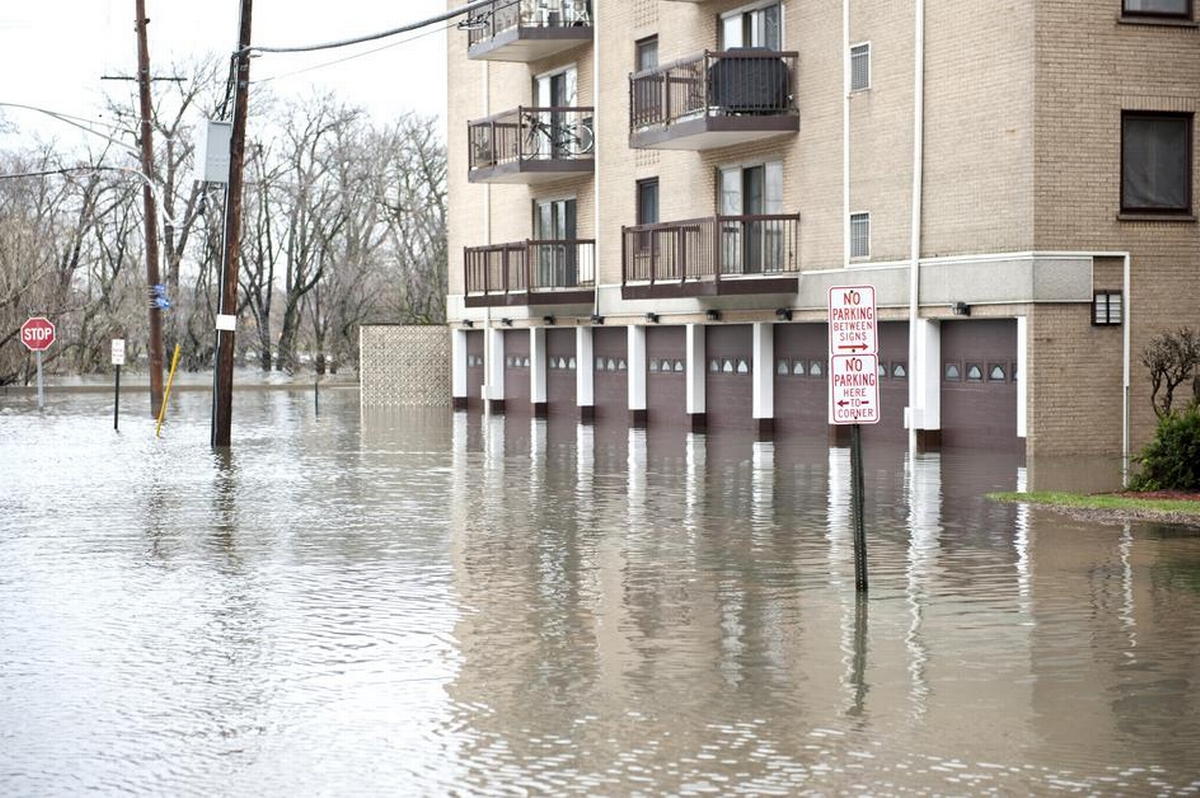
Recent headlines often tell tales of unexpected localized flooding impacting communities, including areas previously untouched by such problems. But what does localized flooding mean for property owners, especially in a city like Pittsburgh, PA, which often experiences heavy rainfall? Understanding the implications of this phenomenon is crucial. It affects property values, safety, and the need for emergency damage restoration in Pittsburgh. As a property owner, knowing the nuances of localized flooding can equip you to better protect your investment.
Localized flooding can be an immediate challenge, but it’s more than just water accumulating after a storm. It involves a deep comprehension of how water interacts with urban landscapes, causing water surges in unexpected areas, sometimes with little warning. This means homeowners must be prepared to act quickly, from assessing damage to engaging professionals to restore safety and condition to the property promptly. In this post, we’ll explore essential strategies and considerations for property owners and outline the steps you should take before, during, and after a flood to protect your home.
Localized flooding is the occurrence of floods in specific, often confined areas rather than across broader regions. Unlike widespread river flooding, localized flooding can occur even with minor water sources overwhelmed due to excessive rainfall, clogged drainage systems, or rapid urban development. For property owners in urban settings such as Pittsburgh, PA, the risks are substantial due to the concrete landscapes that limit water absorption.
This type of flooding often results in street-level water accumulation, quickly entering basements and ground floors. Given Pittsburgh's varied topography of hills and valleys, some areas are more prone to these sudden waters. Knowing this, it's crucial for homeowners to familiarize themselves with their property's vulnerability. One must consider factors such as the location, nearby drainage infrastructure, and landscaping that could either mitigate or exacerbate flood risks.
Flooding potential hinges more on location than sheer chance. Many areas in Pittsburgh, PA, are mapped out in flood zones by federal and state agencies. Facilitating accurate flood risk assessments can help determine the specific vulnerabilities of your property. Understanding these factors is key to making informed decisions about property insurance, mitigation strategies, and necessary upgrades.
Flood maps are invaluable, but they only represent probabilities. For instance, developments in certain Pittsburgh neighborhoods may change flood patterns, elevating risks not accounted for in current data. Hence, regular updates and what-if scenarios, such as climate change's impact, should be a part of any property assessment. Rest assured, local agencies provide this rich data to assist you in being proactive rather than reactive.
Common Indicators of Potential Flood Risk:
Preparation is paramount. Homeowners should invest in initial assessments, such as professional inspections that focus on structural vulnerabilities, drainage systems, and emergency plans tailored to flood scenarios. Effective measures might include reinforcing the building foundation, upgrading basement floors, and integrating sump pumps to handle excessive water flow.
Preventative measures might also involve collaborative community efforts, advocating for improved city planning, drainage enhancements, and community emergency response drills. The use of rain barrels, permeable pavement alternatives, and strategic landscaping are practical ways to enhance natural water absorption and diversion around your property. Pittsburgh’s local environmental agencies often provide resources and incentives for property owners willing to adopt these eco-friendly measures.
Once the basics are squared away, step into advanced measures. If flood-prone, consider installing backflow prevention devices that prevent sewage from entering your home during flooding. Regular maintenance of your drainage system can preemptively reveal issues before they culminate in significant problems. The goal is to create an integrated defense against sudden and significant water intrusion.
Sometimes, despite the best of preparations, disaster strikes. Understanding the immediate steps to take during a flood can help prevent injuries and minimize property damage. Safety should always be the priority. It is advised to disengage the electric supply to avoid electrocution risks. Family emergency plans should be well-rehearsed, and evacuation routes should be clear and accessible.
In these fraught moments, remember that materials can be replaced, lives cannot. Once safe, documentation becomes your ally. Photos and videos of affected areas are pivotal for insurance purposes and hiring emergency services like water damage reconstruction in Pittsburgh and its neighboring areas. A prompt response serves as the foundation for restoring normalcy in challenging times.
The post-flood period requires meticulous attention and action. Quick cleanup minimizes lasting damage. Flood waters often carry contaminants, and quick intervention can limit health risks associated with mold and mildew. Waterlogged possessions should be removed, and efforts should focus on drying out affected areas to prevent structural damage. Advanced structural drying services may be essential to ensure all moisture is effectively eliminated.
Post-flood restoration varies by severity. From minor repairs to full reconstruction efforts, being knowledgeable about the steps involved is essential. Engaging with professionals familiar with localized flooding's unique challenges ensures recovery work is comprehensive, efficient, and successful. Local experts, like those offering water damage restoration in Wexford and beyond, bring localized insights that streamline the reconstruction process.
Collaborate with your chosen restoration team to understand project timelines, action plans, and any potential delays. This partnership not only aids recovery but can also provide valuable insights into future prevention and preparedness strategies. Regular communication is key across these stages, ensuring all parties are on the same page and moving towards common recovery goals.
Professional restoration services are equally tailored to handle these challenges, ensuring that reconstruction respects local codes, preserves property value, and enhances resilience for the future. Whether it’s mold removal and remediation, or comprehensive property rehabilitation, TRT The Restoration Team offers services designed with Pittsburgh area homeowners in mind. By contacting us, you align yourself with a team dedicated to restoring not only your home but your peace of mind.
May 23, 2026

May 21, 2026

May 17, 2026
May 15, 2026