How to Kill Mold on Wood and Prevent Regrowth
May 23, 2026
The Restoration Team, LLC
Blog
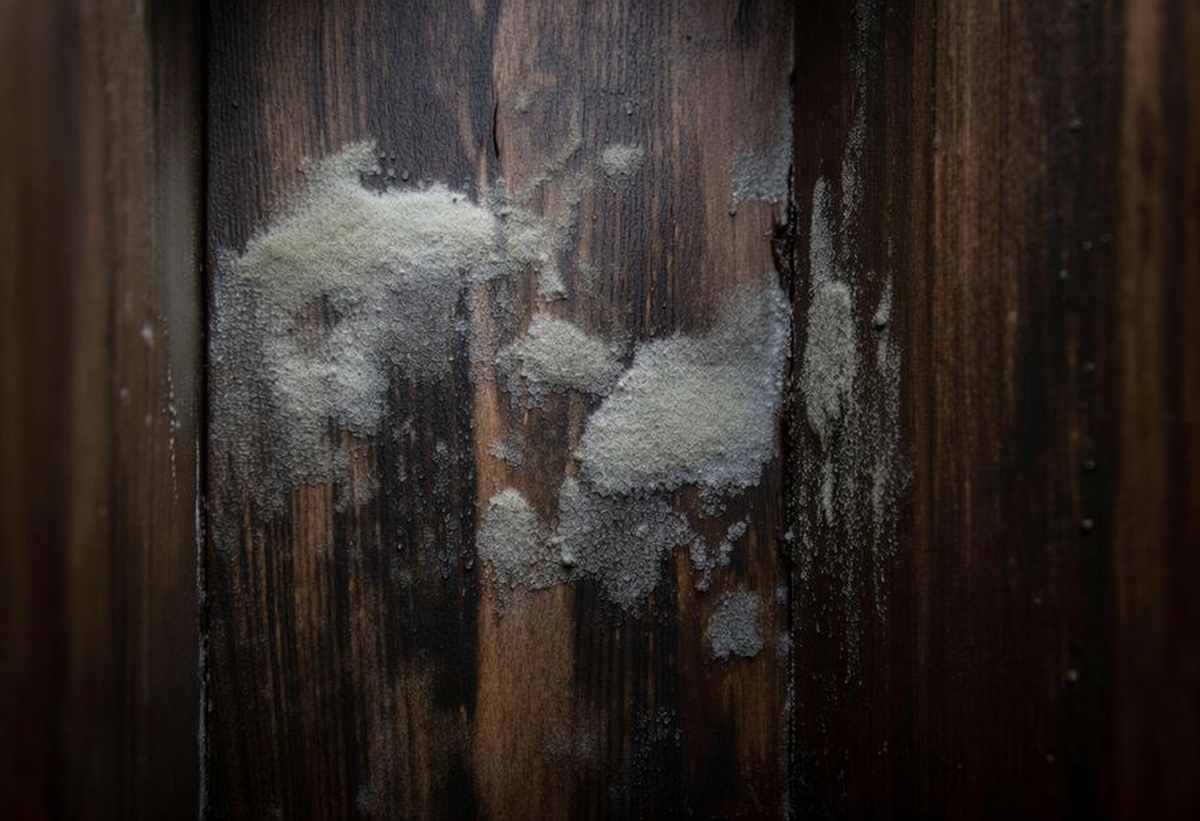
Mold on wood surfaces is not just an aesthetic issue; it can also compromise the integrity of the structure and lead to health problems. Knowing how to kill mold on wood is essential, especially if you're living in an environment prone to moisture, such as Pittsburgh, PA. Mold thrives in damp, dark areas and can quickly spread if left untreated. Fortunately, damage restoration services throughout Pittsburgh offer effective solutions for tackling this issue, ensuring your home remains safe and mold-free.
Understanding how mold develops and the necessary steps to eliminate it from wood surfaces is crucial for every homeowner. Mold can cause allergens, irritants, and even toxic substances, all of which can significantly affect humans and pets alike. With the right knowledge and tools, you can successfully remove mold and prevent it from making an unwelcome return. This guide will help you understand the lifecycle of mold, how to eradicate it from your wooden structures, and provide preventative measures to keep it at bay.
Before diving into the ways to kill mold on wood, it's important to understand its lifecycle and conditions that encourage its growth. Mold is a type of fungus that reproduces through tiny spores. These spores float through the air and settle on surfaces. Given the right conditions, namely moisture, warmth, and a food source like wood, these spores begin to grow and establish themselves.
Wood is particularly vulnerable to mold because it absorbs moisture, providing a perfect breeding ground. Problems often start with a minor water intrusion, whether from a leaky roof, poor ventilation, or high humidity levels. The spores can multiply quickly, leading to considerable outbreaks if not addressed promptly.
When it comes to killing mold on wood, knowledge is power. Armed with the right tools and techniques, you can effectively tackle mold growth at its roots.
While many homeowners can manage small mold problems themselves, larger infestations often require a more professional approach. This is where companies specializing in mold removal and remediation, such as those providing water damage restoration in Pittsburgh and its surrounding neighborhoods, come into play. They have access to specialized tools and expertise that ensure thorough removal and prevention.
Professionals can conduct a comprehensive assessment of your home to identify hidden mold, use advanced techniques for removal, and apply protective measures to prevent future outbreaks. This service is invaluable in instances where mold is extensive or hard to reach.
Preventing mold regrowth involves maintaining an environment that is inhospitable to mold. The best method is to control the factors that mold needs to grow. Keep humidity levels under 50%, fix leaks immediately, and ensure good air circulation within your home. Using dehumidifiers in basements or other prone areas can help keep moisture levels in check.
It's also advisable to perform regular inspections of your home, particularly wooden structures, for early signs of mold. Vigilance goes a long way in ensuring mold doesn't establish a foothold. Establish a routine cleaning schedule with mold-inhibiting products for ongoing maintenance.
When confronted with mold, knowing how to kill mold on wood and prevent its return can save you time, money, and stress. Mold is a persistent problem, but with the right approach and timing, it can be effectively managed. Moreover, companies like TRT The Restoration Team offer comprehensive mold removal and remediation services to help safeguard your home.
In cases where water has exacerbated the mold problem, such as after flooding, employing a service specializing in water damage reconstruction in areas like Level Green might provide the most comprehensive solution. By engaging their expertise, you can ensure that your home remains a safe and pleasant environment for you and your family.
Dealing with mold on wood requires immediate action, combined with thorough preventive measures. By understanding the underlying causes and taking appropriate steps to combat mold, you can maintain a healthy, mold-free home. For more serious infestations, reaching out to professionals who specialize in restoration services might be the best course of action. Protect your home and your health by staying informed and prepared. Contact TRT The Restoration Team today to find out more about how we can assist you in battling mold and securing your home's future.
May 23, 2026

May 21, 2026

May 17, 2026
May 15, 2026