Checklist to Sanitize Basement After Flood
May 15, 2026
The Restoration Team, LLC
Blog
In the aftermath of a basement flood, confusion and stress often reign supreme as homeowners grapple with the mess left behind. Understanding how to sanitize basement after flood is crucial to restoring a safe and healthy environment in your home. From sopping wet carpets to warped wooden beams, every element of your basement has likely suffered some degree of damage. As you assess the situation, remember that a restoration company in Pittsburgh and its nearby vicinities can offer professional assistance, focusing on one of their key services such as water damage restoration. Such expertise is invaluable in safely navigating the cleanup and restoration process.
A basement flood can introduce numerous hazards, from mold growth to structural instability. Floodwaters often contain contaminants that pose risks to health. This guide will walk you through step-by-step on how to tackle the aftermath of a flood in your basement, ensuring that your home is not only restored but safe for you and your family.
Before diving into the cleanup, evaluating the damage is essential. Safety should be your priority. Have the electricity turned off to prevent accidents, and equip yourself with protective gear such as gloves, masks, and boots. Floodwaters are often mixed with contaminants that may have seeped into your basement, and direct contact should be minimized.
Once you secure the area, observe the extent of the flooding. How deep is the water? Has it receded completely, or is there still standing water? It's crucial to identify whether the water is rainwater, sewage, or a mix, as this determines the level of hazard you're dealing with. An accurate assessment helps in formulating a practical cleanup and sanitation plan, possibly laying the groundwork for tasks such as water damage restoration in Pittsburgh.
Having the right supplies can significantly streamline the cleanup process. Obtain professional-grade cleaning tools and materials such as powerful detergents, bleach for disinfection, and dehumidifiers. Mold can begin to grow within 24 to 48 hours of exposure to moisture, making it imperative to act swiftly and decisively. The tools and materials needed may include:
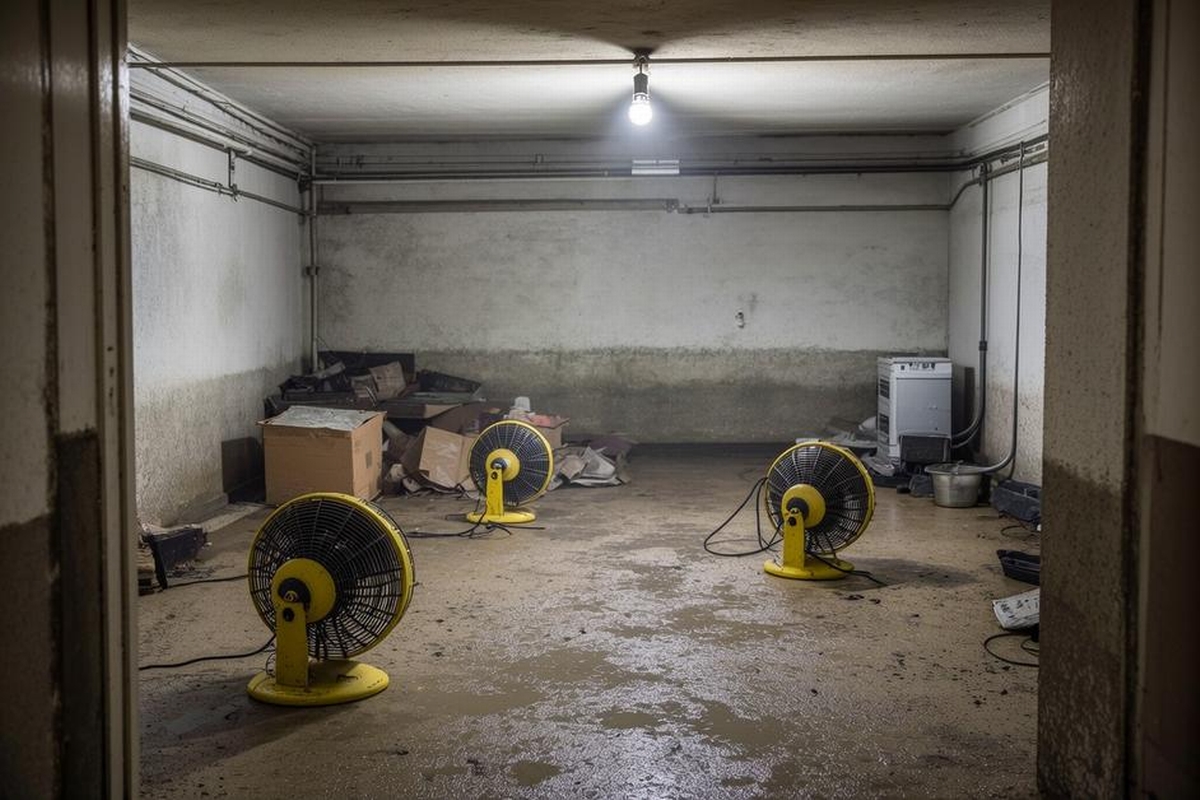
Once you've removed standing water, it's essential to dry out the basement effectively. This pivotal step helps prevent mold growth and further water damage. Deploy industrial-grade fans and dehumidifiers to expedite drying. It's vital to circulate the air aggressively within the basement while monitoring moisture levels carefully. This approach not only prevents the moist environment that mold thrives in but also reduces the risk of structural damage caused by water saturation.
Regularly check wooden structures, drywall, and insulation. These materials, once dampened, can foster mold proliferation and structural weakness if not dried properly. Acting quickly reduces the potential need for extensive mold remediation or significant reconstruction efforts. Advanced structural drying techniques might be required if traditional methods fall short.
Mold is an unwelcome consequence of a basement flood, and its removal should be thorough and immediate. Start by inspecting visible surfaces and crevices where mold might take root. Small mold infestations (less than 10 square feet) can be tackled with commercial antifungal agents. Persistent mold might necessitate intervention from professionals specializing in mold removal and remediation. In Pittsburgh, PA, for instance, companies such as TRT The Restoration Team offer full-scale mold removal services for extensive infestations.
Decontaminating porous materials like carpet, padding, and wood can be challenging, and sometimes replacement is the only viable solution. Non-porous materials such as metal and glass can often be cleaned thoroughly, eliminating mold spores effectively.
Once the major tasks are accomplished, focus shifts to detailed cleaning. Disinfection is a crucial aspect of this process. This final sweeping move ensures that all bacteria and pathogens carried by the flood are neutralized. Household bleach is an effective disinfectant, though it should be used cautiously to avoid material damage. Develop a disposal plan for materials that cannot be salvaged or restored. Ensure local guidelines for disposal of hazardous materials are followed, ensuring compliance and environmental protection.
For homeowners requiring additional support, services such as water damage reconstruction in Gibsonia are available from professional restoration teams. They offer specialized solutions tailored to your exact needs, aiding in the safe disposal and reconstruction process.
The journey to sanitize and restore your basement after a flood is a challenging yet rewarding endeavor. It's about rebuilding a safe, functional space from chaos. For those in the Pittsburgh area facing the daunting task of post-flood restoration, leveraging professional services can make all the difference. Expert involvement ensures that every precautionary measure is taken, reducing long-term risks and complications.
Engagement with TRT The Restoration Team opens doors to advanced structural drying, water damage restoration, and much more. Their wealth of experience and resources provides robust solutions designed to address and rectify all facets of flood damage.
Your basement, once marred by floodwaters, can transform back into a spacious, useful part of your home. By entrusting the process to skilled, seasoned hands, you respect both the integrity of your home and the well-being of your family. Start with a call to TRT The Restoration Team for expert guidance tailored to your unique situation.