Mold on Metal - Can It Grow on Metal and Other Mold and Metal Facts
June 17, 2026
The Restoration Team, LLC
Blog
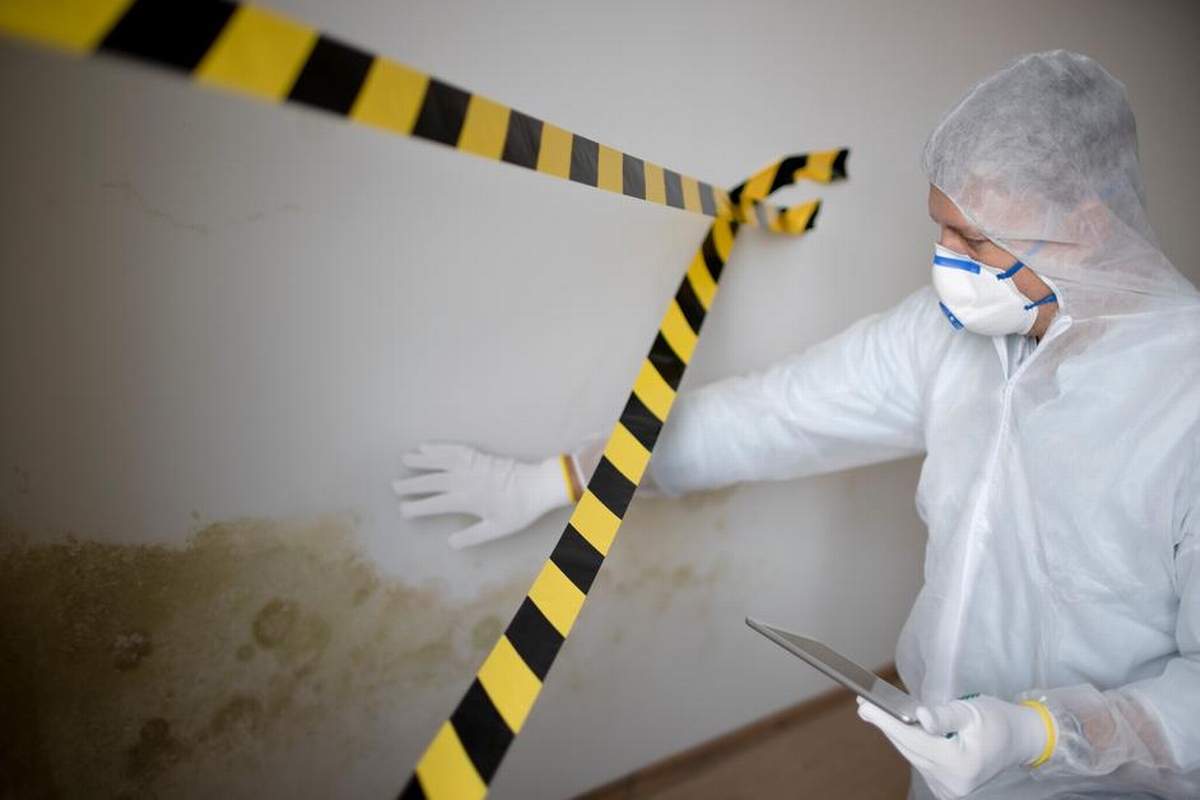
Imagine walking into your Pittsburgh, PA home only to discover sprawling patches of mold across the walls, an eyesore that is not only unpleasant but also a potential health hazard. This scenario can cause a mix of anxiety and urgency, especially when time is of the essence to resolve the issue. Some might consider handling it themselves, thinking it is a simple case of mold removal. However, here's where the distinction becomes crucial: understanding the difference between mold removal and mold remediation. For services like emergency damage restoration in Pittsburgh, engaging professionals who can distinguish between these two processes is essential for ensuring long-lasting safety and peace of mind.
Mold can compromise indoor air quality and pose serious health risks, making it imperative for Pittsburgh residents and homeowners to act quickly and efficiently. This blog aims to dissect the six key differences between mold removal and mold remediation, providing you with a roadmap to navigate a common but complex problem. By understanding these differences, you can make informed decisions for your property and well-being.
When discussing the difference between mold removal and mold remediation, it's essential to begin by understanding each term's definition and scope. Mold removal refers to the process of removing mold from a surface. It involves physically cleaning and eliminating visible mold. Mold remediation, on the other hand, entails a more comprehensive process that not only removes the mold but also corrects the underlying moisture problem causing mold growth, thus preventing future outbreaks.
By viewing mold remediation as a more holistic approach, homeowners in Pittsburgh can better appreciate its importance in achieving a long-term solution over a mere surface-level fix.
Mold removal generally involves a simpler and quicker assessment. It focuses on identifying visible mold and executing immediate cleaning strategies. In contrast, mold remediation requires a more thorough inspection. Professionals perform detailed testing to determine the mold type and concentration levels and identify hidden areas where mold may not be immediately visible.
Remediation often demands specialized equipment and expert analysis to address complex infestations, which is why it’s considered a more intricate and involved process than straightforward mold removal.
The simple act of mold removal might pose an immediate visual improvement, but lacks assurances against recurrence. Mold remediation evaluates and fixes the underlying causes of mold outbreaks—typically water intrusion or high humidity levels, which can involve comprehensive solutions like advanced structural drying or water damage reconstruction in Pittsburgh. By addressing these root causes, remediation proves more effective in the long term.
Focusing solely on mold removal might ameliorate visible concerns but does little for health and safety if toxic mold types are involved or if spores proliferate undetected. Mold remediation, however, prioritizes health by not only removing mold but also improving indoor air quality and implementing moisture control measures.
By engaging in professional remediation services, you're taking active steps to protect both the integrity of your property and the health of its inhabitants.
Mold removal may involve basic cleaning tools or household cleaning agents, making it less effective against larger infestations. Remediation utilizes specialized equipment like HEPA vacuums, commercial-grade dehumidifiers, and air scrubbers to ensure thorough removal and containment of mold spores.
These tools help in systematically eradicating the mold while also restoring a healthy indoor environment, equipping Pittsburgh residents with the means to secure their homes against future infestations.
In examining the difference between mold removal and mold remediation, one cannot overlook the role of professional standards and regulatory compliance. Mold remediation requires adherence to industry standards such as those set by the Institute of Inspection Cleaning and Restoration Certification (IICRC). This ensures that the processes employed are of high quality, providing accountability and trustworthiness.
When enlisting professional remediation services, homeowners in Pittsburgh receive the guarantee that all actions comply with industry standards, delivering a robust, quality-assured solution.
Having understood the distinct approaches between mold removal and mold remediation, it is crucial to evaluate the needs of your specific situation. Opting for mold remediation is highly recommended when facing extensive mold issues that could affect the health of your home and its occupants. By addressing the underlying issues with water damage restoration in Latrobe and its nearby areas, you secure a healthier and safer environment for the long run.
For residents in Pittsburgh, PA, and neighboring areas, TRT The Restoration Team stands ready to assist. Our experts are committed to delivering comprehensive assessments and quality remediation services, ensuring both immediate relief and long-term prevention. By reaching out to us, you gain not only an experienced team but peace of mind knowing your property is cared for by professionals who prioritize your health and safety. Contact TRT The Restoration Team today to better safeguard your home against mold threats.