How to Kill Mold on Wood and Prevent Regrowth
May 23, 2026
The Restoration Team, LLC
Blog

It hits unexpectedly - a musty, earthy scent lingering in the air as you enter your home. You're not imagining it; you're likely smelling mold, a pervasive issue for many homeowners. But what does mold smell like? This distinct odor, often likened to the scent of wet socks or a damp basement, can be a telltale sign of mold growth. If you're experiencing this, seeking damage restoration services in Pittsburgh, PA may be crucial to tackle the problem before it worsens.
This blog delves into the peculiar world of mold odors that invade our living spaces. We’ll explore the importance of identifying these smells, why they occur, and practical steps to eradicate them from your home. Understanding the implications of mold detection can ensure better home health and safety, providing peace of mind for you and your loved ones. Let's unravel the mystery of mold odors and discover how to restore freshness to your living environment.
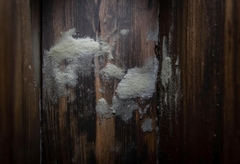
To comprehend why mold smells the way it does, we need to understand mold itself. Mold is a type of fungus that plays a crucial role in nature by breaking down dead organic matter. It thrives in moist, warm, and dark environments, which is why we often find it in basements, bathrooms, and poorly ventilated spaces. When mold grows, it releases microbial volatile organic compounds (MVOCs), which are responsible for its distinctive musty odor.
The smell results from the metabolic activities of mold as it feeds on materials such as wood, drywall, and carpeting. As these MVOCs are released, they permeate the air, creating that all-too-familiar moldy scent. Even if mold is hidden behind walls or under flooring, its smell can be unmistakable, often a first-line indicator of a mold problem.
The presence of a moldy smell can vary in severity, and while it often signals an issue, not every slight mustiness means an infestation. However, identifying the source as soon as possible is vital to prevent potential health risks and structural damage.
Exposure to mold can lead to various health problems, particularly for those with allergies, asthma, or weakened immune systems. Symptoms may include respiratory issues, headaches, or skin irritation. Persistent exposure may even lead to more severe health conditions. Therefore, addressing and eliminating mold odors promptly is essential for maintaining a healthy home environment.
Finding the source of mold is the first step to managing it effectively. Here’s a simple method to help identify and address these odorous culprits:
Mold requires moisture to grow, so controlling indoor humidity is crucial. Leaks, condensation, and poor ventilation can create a conducive environment for mold spores to thrive. By understanding these contributing factors, you can take preventive measures to avoid mold growth.
To keep your home mold-free, considering these preventive strategies can be beneficial:
When mold odors persist despite your best efforts, it might be time for professional intervention. Companies offering mold removal and remediation in Pittsburgh and its nearby neighborhoods can ensure thorough cleaning and remediation, helping restore your home to a healthy state. With state-of-the-art technologies and expert knowledge, professionals can address both visible mold and airborne spores.
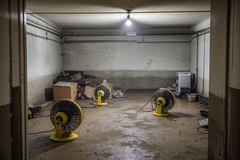
Professionals achieve this through a combination of air filtration, specialized cleaning products, and advanced structural drying techniques. They not only remove existing mold but also identify and rectify the underlying issues contributing to dampness and mold growth.
In severe cases where mold grows out of control or where the property experiences significant water damage, disaster restoration services become essential. They offer water damage restoration services that include moisture extraction, material replacement, and structural repairs to prevent mold from taking root after water intrusion. Their comprehensive approach helps protect your home from future mold challenges by correcting moisture issues at the source.
With actionable steps and professional assistance, Pittsburgh homeowners can effectively combat mold odors and restore their homes to a safe condition. The lingering question—what does mold smell like—serves as a reminder to remain vigilant and proactive in maintaining a healthy living environment.
If you're unsure whether mold is affecting your home, consider reaching out to TRT The Restoration Team. Their expertise across locations, including water damage restoration in Export, can help ensure that your home stays fresh and safe. By choosing professional services for mold remediation, you safeguard your home, health, and peace of mind.
May 23, 2026

May 21, 2026

May 17, 2026
May 15, 2026