Mold on Metal - Can It Grow on Metal and Other Mold and Metal Facts
June 17, 2026
The Restoration Team, LLC
Blog
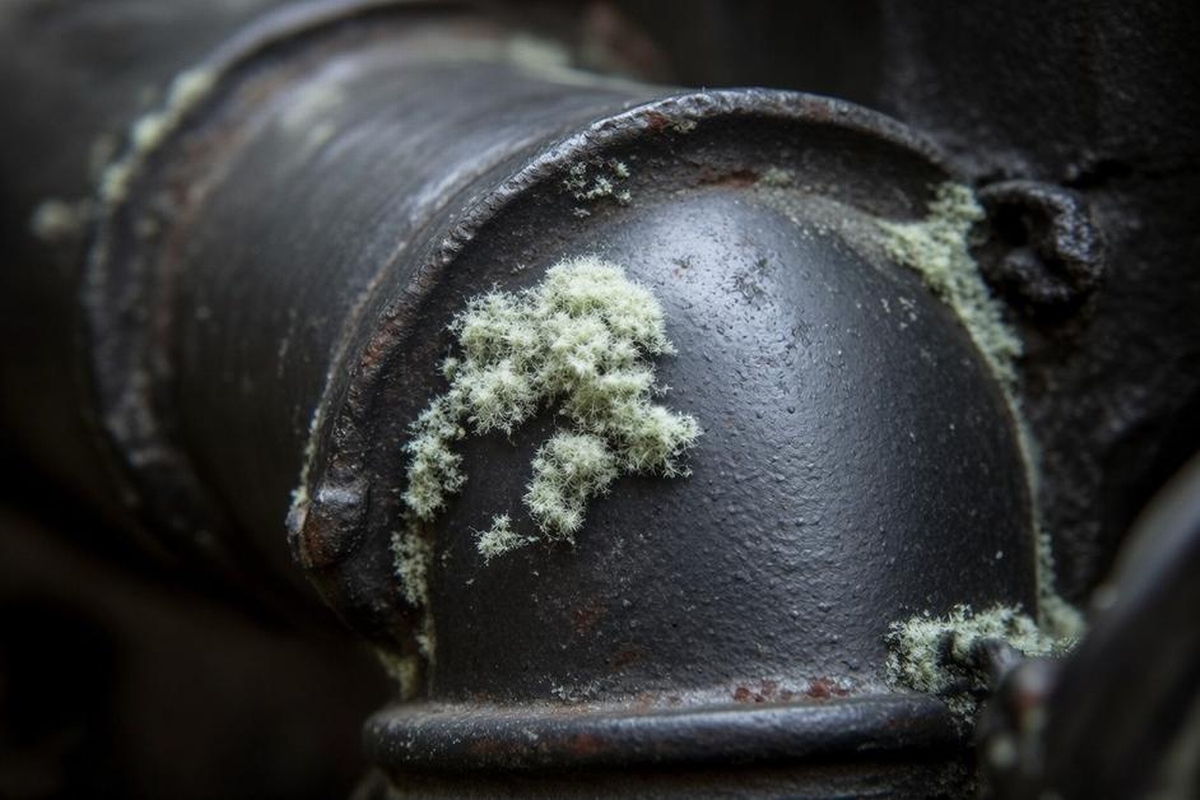
You've probably encountered mold in various household settings, from damp basements to leaky attics. However, you might wonder, can mold grow on metal? This question, though not common, is crucial for understanding mold behavior and mitigating risks associated with its growth. In a city where humid conditions can sometimes wreak havoc, knowing the nuances of mold growth can be vital, like for emergency damage restoration services in Pittsburgh, PA. Such knowledge helps address the concerns of homeowners and business owners alike, ensuring they receive the appropriate solutions.
Mold is a type of fungus that thrives in moist environments, often seen on organic materials like wood, paper, and fabrics. Yet, metals, being inorganic and non-porous, pose a different challenge for mold growth. Many believe metal surfaces are impervious to mold. However, mold can still find a way to grow if the conditions are right, often posing hidden threats. As we unravel the facts about mold on metal and other related topics, we'll explore preventive measures and practical strategies to protect your spaces.
Understanding mold's lifecycle is fundamental to grasping how it can affect different surfaces. Mold spores are microscopic and exist in almost every environment. They can land on surfaces and begin reproduction. However, their ability to thrive depends on environmental conditions like moisture, temperature, and food source availability. Mold requires an organic food source and appropriate environmental conditions to grow.
The answer is both yes and no. Technically, mold does not grow directly on metal. Instead, it thrives on the organic matter or moisture layers that collect on the metal surfaces. Therefore, while you're unlikely to find mold growing on a perfectly clean and dry metal surface, contamination or moisture can create favorable conditions.
For example, in Pittsburgh, with fluctuating temperatures and humidity, mold can become a problem in industrial settings or unheated spaces where metal pipes or beams exist. Emergency damage restoration teams are often called to these settings to manage fungal outbreaks that stem from metal surfaces acting as condensation sites.
Ensuring your metal surfaces remain free from mold involves a series of strategic actions:
Despite best efforts, mold can sometimes find a way to persist. In situations where mold growth becomes visible or when odors suggest mold activity, professional intervention is recommended. Mold removal and remediation in Pittsburgh offer specialized techniques to not only eradicate mold but also ensure the space remains protected against future occurrences.
While residential properties can experience mold issues on metal fixtures, industrial environments face heightened risks. Warehouses, factories, and facilities with extensive piping and metal infrastructure are more prone to mold, especially with fluctuating climate controls. Here, the role of professional mold remediation becomes crucial.
Companies like TRT The Restoration Team offer services that include advanced structural drying and mold remediation. These services ensure that all aspects of mold and moisture control are addressed to promote safer, compliant industrial operations.
Mold spores need organic material to thrive. Metal itself doesn't provide this, but contaminants or moisture on metal can support growth.
While mold does not eat away metal like it does organic materials, the associated moisture can lead to rust or corrosion over time, compromising structural integrity.
Surface cleaning can remove visible mold, but for persistent mold issues or broader contamination, professional intervention is necessary to eradicate and prevent recurrence.
With various climates across cities in Pennsylvania, the approach to mold can vary. For instance, advanced structural drying in Warrendale might focus on addressing both the humidity and temperature disparities that metal structures in the area face. Understanding regional challenges helps in tailoring effective mold management strategies.
For those battling mold on metal or other complicated restoration challenges, enlisting professional help from TRT The Restoration Team can make a significant difference. Their services cover various aspects of restoration, with expertise in water damage reconstruction in Pittsburgh and beyond. Delivering exceptional results, they ensure properties are not just restored but fortified against future risks.
In this intricate dance between mold and metal, knowledge serves as the best defense. By understanding the conditions that allow mold to thrive and implementing proactive measures, property owners can maintain healthier, mold-free environments. Trust in the expertise of restoration professionals can further guarantee peace of mind, supporting both immediate and long-term property care needs. Reach out to us today!