Mold on Metal - Can It Grow on Metal and Other Mold and Metal Facts
June 17, 2026
The Restoration Team, LLC
Blog
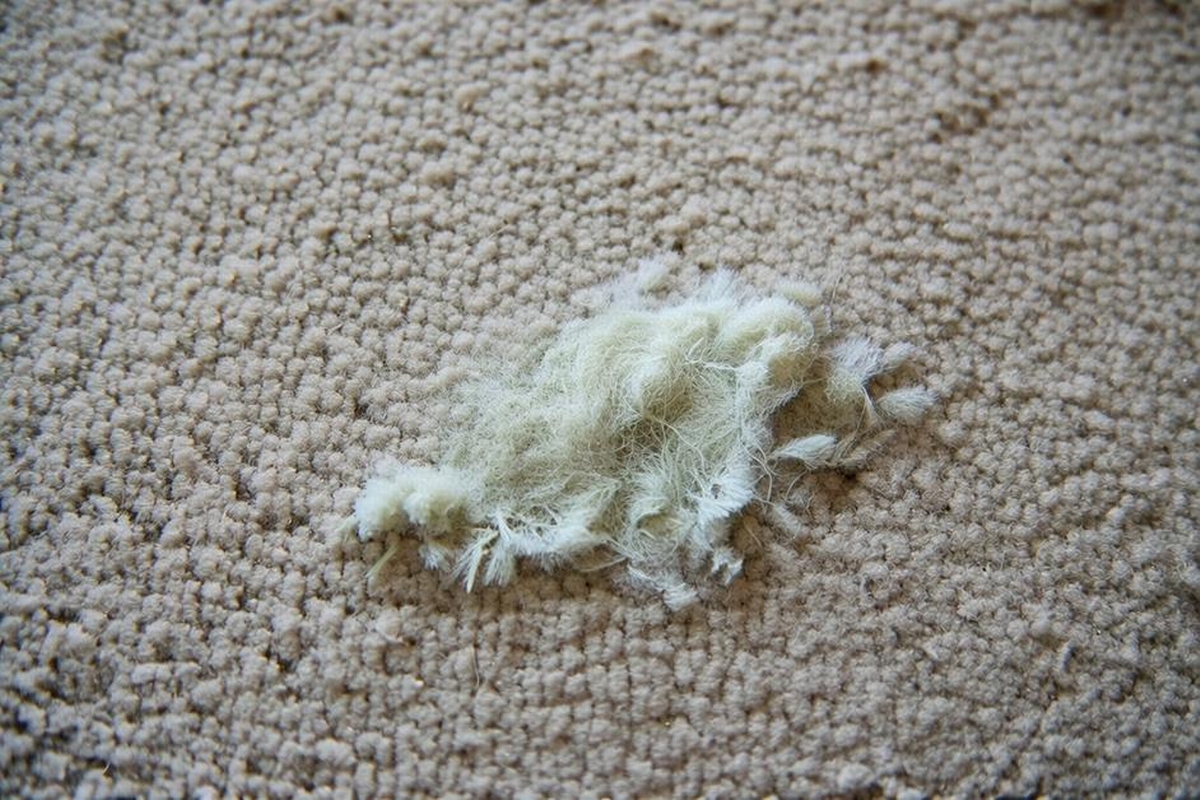
The presence of mold in carpet from water damage is a common yet serious problem that homeowners and business managers often face. If you've ever noticed a musty smell lingering in your home or office, you might be dealing with this issue without even realizing it. Failing to identify and address mold in carpets early on can lead to health risks and structural problems. For residents and businesses that require emergency damage restoration in Pittsburgh, prompt action and professional intervention can save time and money.
Homeowners and business operators must remain vigilant about the condition of their properties to avoid serious consequences. It's essential to know the warning signs of mold in carpet from water damage and to understand why these indicators must not be ignored. This blog will provide insights on identifying mold, the risks it poses, and the necessary steps to prevent it, ensuring your home or work environment remains safe and healthy.
Mold thrives in environments with moisture and organic material, making carpets a prime target after water damage occurs. Carpets can absorb water from spills, leaks, or flooding, creating an ideal breeding ground for mold. The texture of carpets traps moisture within the fibers and base, complicating the drying process. Improperly dried carpets can become a mold hotbed within 24 to 48 hours.
The mold spores are not only unsightly and odorous, but they also present serious health risks. Mold can trigger allergic reactions, respiratory issues, and skin irritations, especially in vulnerable individuals such as children and the elderly. That's why professional water damage restoration services in Pittsburgh and its surrounding vicinities are critical when faced with extensive water damage affecting carpets.
Knowing the warning signs of mold in carpet from water damage allows you to take swift action, potentially saving your health and property. Here are key indicators:
A persistent, musty smell is often the first sign of mold presence. This distinct odor is a byproduct of mold digestion and is noticeable even when not visible on the surface. Rely on your senses; if something smells off, it very well might be.
Mold growth is sometimes visible in the form of green, black, or white spots on the carpet. Discolored patches can also suggest water damage, which means mold is likely lurking beneath the surface.
If you or anyone frequently using the space notice an uptick in allergy-related symptoms like sneezing, coughing, or itchy eyes, the culprit might be mold. Mold spores can become airborne and create health issues, especially in enclosed spaces.
If your carpet remains damp several days after a cleaning or an accidental spill, it's a potential indicator that water has seeped deep into the fibers or subflooring. This hidden moisture provides a perfect environment for mold growth.
Inspect your carpet for signs of decay, such as fraying fibers or a thinning texture. Mold can weaken the structural integrity of the carpet, leading to noticeable wear.
Ignoring mold in carpet from water damage only exacerbates the problem. It can lead to:
To combat mold in carpet from water damage, consider the following strategies:
Preventive measures are integral to safeguarding your home or office from mold growth. These steps not only protect your living or working space but also maintain indoor air quality and property value.
Frequent examinations for leaks or damp areas, particularly in rooms with carpeting, can help identify problems before they escalate. Check around plumbing fixtures, windows, and other areas prone to moisture buildup.
Enhance airflow by using fans and opening windows, especially in high-humidity areas like bathrooms or basements. This helps control moisture levels, thus reducing mold risks.
Opt for carpets and underlays treated with mold-resistant chemicals. These products are designed to inhibit mold growth even under wet conditions.
Accidents happen, and when they do, ensure spills are cleaned and dried as soon as possible to prevent moisture penetration.
When it comes to mold issues, the expertise of a professional restoration company like TRT The Restoration Team in Pittsburgh is crucial. Their comprehensive emergency services are crucial for handling all types of damage swiftly and effectively.
TRT specializes in advanced structural drying methods in areas like Edgeworth to eradicate mold and restore peace of mind. The effective process ensures all mold-related problems are addressed, reducing health risks and saving on costly repairs.
With expert assistance, you can ensure a safe, healthy, and mold-free environment for everyone who enters your dwelling or workspace. Get in touch today to learn more about their expert services tailored to the unique challenges of living and working in Pittsburgh, PA.