Mold on Metal - Can It Grow on Metal and Other Mold and Metal Facts
June 17, 2026
The Restoration Team, LLC
Blog
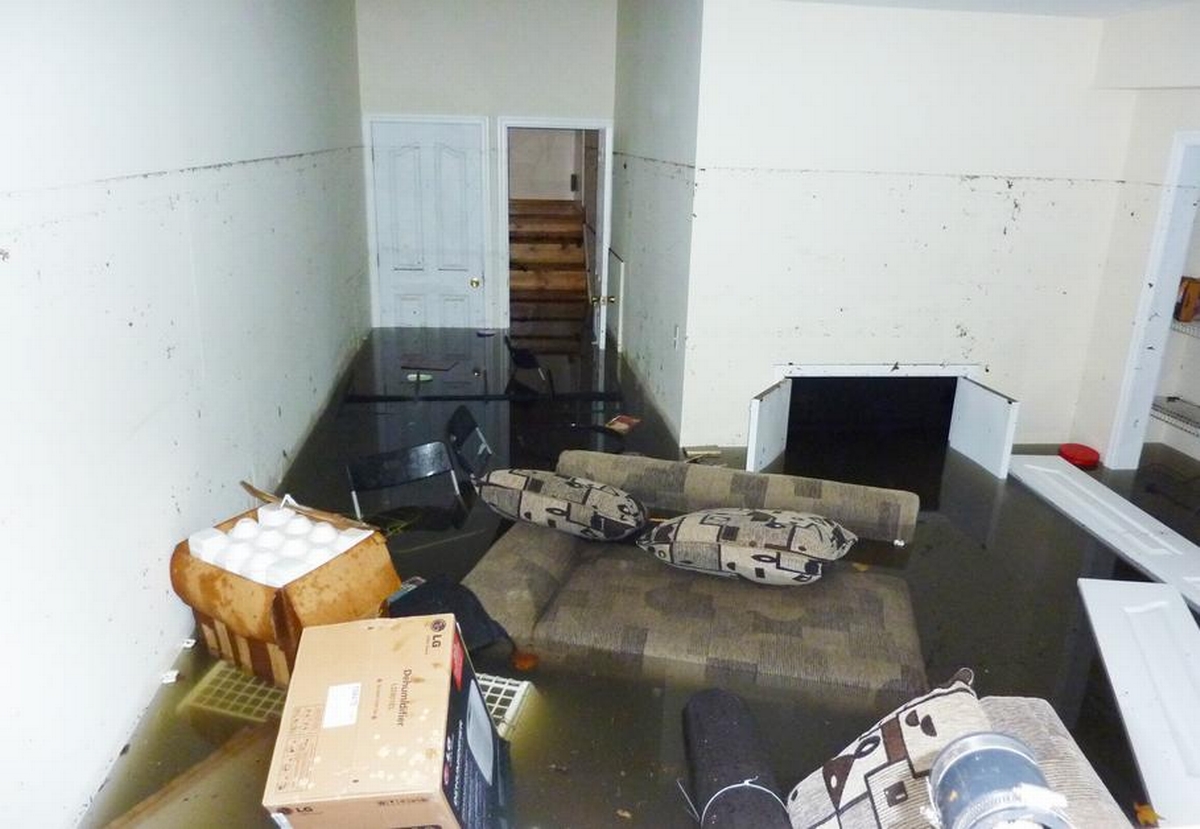
Flooding is one of the most distressing experiences homeowners can endure, leaving behind a path of destruction and potential health hazards. It can be overwhelming dealing with the aftermath of a flood, especially when it comes to sanitizing the basement effectively. Understanding how to sanitize basement after flood is crucial to ensure safety, prevent mold growth, and restore your home to its pre-flood condition. Additionally, knowing when to seek emergency damage restoration in Pittsburgh and its neighboring communities can help you manage the crisis more efficiently and bring peace of mind.
Floodwaters can carry all kinds of debris, chemicals, and microorganisms, making basements a breeding ground for germs and mildew if not properly cleaned. This blog post will guide you through the essential steps of sanitation and tips for restoring your basement efficiently. We will discuss the importance of safety precautions, highlight the significance of quick response, and offer a thorough cleaning checklist to ensure your basement is free from contaminants.
Before diving into cleanup, it's imperative to ensure the safety of everyone involved in the process. Floodwaters often present hidden dangers such as electrical hazards, contaminated water, and structural instability.
By taking these preliminary safety steps, you lay a foundation for a more effective and secure cleanup process.
Once safety is assured, the primary step in how to sanitize basement after a flood involves water removal and debris cleanup. This phase is critical in preparing the basement for detailed sanitation work.
Following these steps helps tackle the bulk of the mess, setting the stage for a deep clean.
With the initial cleanup out of the way, the focus shifts to deep cleaning and disinfection—vital aspects of how to sanitize basement after flood.
Combining meticulous cleaning with strategic drying techniques eradicates germs and deters the growth of molds and mildew.
Mold is a common concern after flooding, and knowing how to prevent its growth is part of understanding how to sanitize basement after flood effectively.
Prompt detection and swift action can protect your home from extensive damage and health hazards associated with mold.
Once the basement is sanitized and dried, the final aspect of how to sanitize basement after flood involves repairs and restoration. Addressing these aspects ensures your basement returns to a functional state.
By restoring the affected areas, you regain not only the practical use of your basement but also ensure a healthy living environment.
Despite best efforts, some cleaning and restoration tasks require professional expertise. Companies specializing in emergency damage restoration and services like water damage restoration and mold remediation bring experience and specialized equipment that can effectively handle severe damage.
TRT The Restoration Team, for instance, offers detailed services in water damage restoration in Greensburg and nearby areas, ensuring that homeowners can overcome the challenges posed by flood damage comprehensively and efficiently. Their expertise in restoration provides assurance that your home is in capable hands.
By choosing professional services, homeowners gain the added benefit of an expert’s eye for detail, ensuring no post-flood issue goes unnoticed or untreated.
Cleaning up after a flood is no small task and requires careful planning, diligent execution, and sometimes, the assistance of experts. Ensuring you follow the correct steps in how to sanitize basement after flood, considering safety first, and engaging professionals when necessary, can turnaround what may seem like a daunting task into a successful recovery project.
For those tackling extensive damage, TRT The Restoration Team provides not only knowledge but also practical recovery solutions from their offices across multiple locations. From water damage restoration in Latrobe to mold removal services in other neighboring areas, their comprehensive approach guarantees that your home is restored safely and efficiently.
With the support of professional services and the right approach, you can ensure your basement is properly sanitized, safe, and ready for use once again. Don't hesitate to reach out for assistance and transform your flood recovery journey with confidence and peace of mind.