Mold on Metal - Can It Grow on Metal and Other Mold and Metal Facts
June 17, 2026
The Restoration Team, LLC
Blog
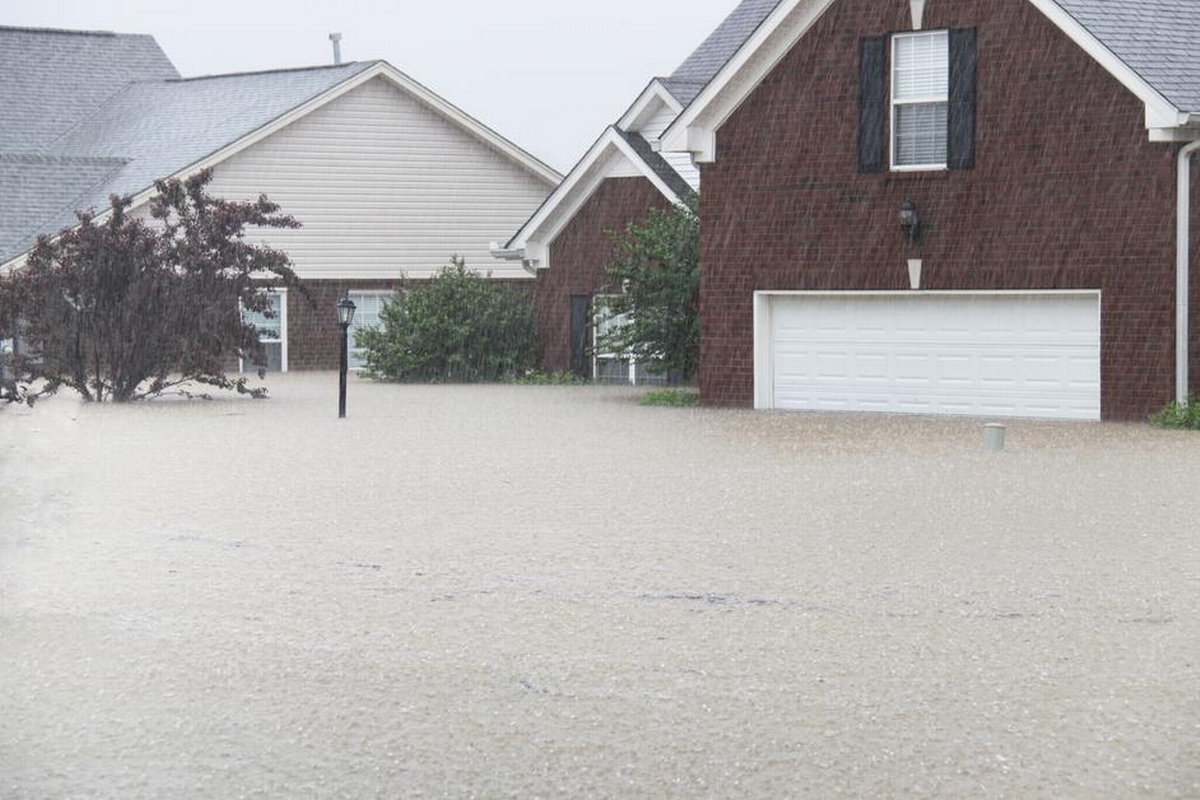
Flooding can be both an awe-inspiring and devastating natural occurrence. For residents of Pittsburgh, the question "how often does Pittsburgh flood?" holds substantial significance given the city’s unique geography and historical flood pattern. Understanding this phenomenon is crucial for both individual preparedness and community resilience. Whether you are a homeowner concerned about safeguarding your property or a business owner ensuring operational continuity, this knowledge is invaluable. As a renowned restoration company in Pittsburgh, PA, The Restoration Team specializes in offering services tailored to tackle such challenges, from water damage to structural remediation.
The task of embarking on a journey to comprehend Pittsburgh's flooding involves delving into its topography, the history of significant flood events, and the increasing risk factors associated with climate change. This article will guide you through these elements, offering insights into effective preparation strategies and mitigation efforts.
Pittsburgh is famously situated at the confluence of three rivers - the Allegheny, the Monongahela, and the Ohio. This unique setting, while picturesque, positions the city at an elevated risk of flooding, especially during periods of heavy rainfall or rapid snowmelt. The city's numerous streams feeding into these rivers further exacerbate the flooding potential, particularly during thunderstorms, when flash floods can occur suddenly.
Historically, Pittsburgh has experienced several notable floods that have shaped the city's approach to disaster management and infrastructure development. The most infamous was the St. Patrick's Day Flood of 1936, which remains a benchmark for understanding the city's vulnerability to severe weather events. Recent decades have seen less catastrophic but still significant floods, underscoring the city's ongoing challenges with water management and the need for robust mitigation strategies.
Experts agree that climate change is exacerbating the risk of flooding in urban areas like Pittsburgh. Increasingly unpredictable weather patterns, including more intense storm systems and prolonged wet periods, amplify the city’s flood risk. Additionally, urban sprawl and the increase in impermeable surfaces mean that water runoff is no longer naturally absorbed, leading to heightened flooding potential.
Being prepared for a flood is essential for minimizing damage. Residents in flood-prone areas should consider the following steps to safeguard their homes and lives:
- Install Flood Barriers : Utilize temporary flood barriers to block water from entering your home.
- Emergency Kit Readiness : Have an easily accessible emergency kit that includes essentials like first-aid supplies, food, water, and emergency contacts.
As a specialist in water damage restoration in Pittsburgh and beyond, The Restoration Team advocates for proactive measures, including regular property inspections and offering services aimed at reinforcing vulnerable structures.
Effective flood management extends beyond individual efforts to community and government initiatives. Investment in infrastructure and policy reform plays a critical role in managing and mitigating flood risks.
Today, technology plays a pivotal role in mitigating flood risks. Predictive analytics utilizing historical data and real-time weather modeling can forewarn communities of potential flooding, giving them precious extra time to prepare.
The advent of smart technology offers homeowners advanced solutions to detect and prevent water intrusion. From smart sensors that alert owners to leaks to automated pumps that activate when water is detected, technology is a game-changer in flood preparedness.
Flood risks in Pittsburgh are not an intractable problem. With thoughtful planning, investment in technology, and community efforts, the city can build resilience against future flooding events.
In light of the present challenges, utilizing the expertise of restoration professionals becomes crucial. Whether it's mold removal and remediation or advanced structural drying, these services ensure that properties can withstand and recover from flood damages efficiently.
Restoration companies not only provide immediate relief and repair but also contribute to long-term resilience strategies. By addressing vulnerabilities that might invite future disasters, they function as a vital link in community resilience and recovery.
Maintaining a vigilant and proactive stance against flooding involves more than just emergency preparedness. It requires working with experienced teams that understand the unique risks associated with your location. For those residing beyond Pittsburgh's core, engaging with professionals for services like water damage restoration in Export and its surrounding areas ensures that your property is secure against the unpredictable nature of flooding.
Understanding how often does Pittsburgh flood involves acknowledging the city's past, preparing for current threats, and investing in future resilience. Local businesses, officials, and residents must come together to enhance flood readiness, making safety a communal effort. The Restoration Team stands ready to assist with essential services tailored to mitigate flood impacts effectively.
Contact us today to learn more about how we can help you protect your home or business against Pittsburgh's flooding challenges. Our team of experts provides reliable and professional services, ensuring that when the waters rise, you're ready.