Mold on Metal - Can It Grow on Metal and Other Mold and Metal Facts
June 17, 2026
The Restoration Team, LLC
Blog
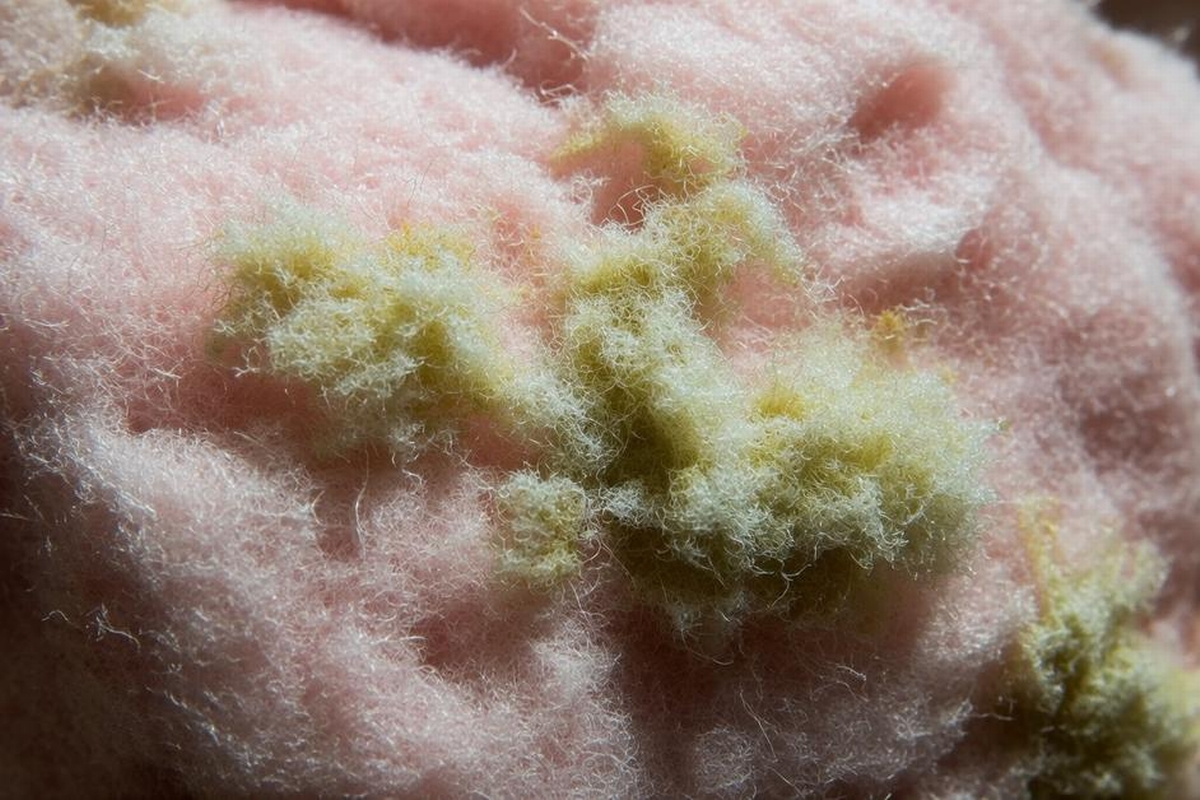
In the aftermath of flooding or plumbing issues, one nagging question surfaces in many homeowners' minds: can mold grow on insulation after water damage? The answer is yes, and it's an issue that can quickly escalate if not addressed promptly and properly. In Pittsburgh, PA, many residents might face this predicament due to the region's varying climate conditions. With the expertise of restoration contractors in Pittsburgh, PA, services like water damage restoration can significantly mitigate the risks associated with mold post-water damage scenarios. This blog post explores the symptoms, risks, and solutions related to mold growth on insulation and highlights why timely intervention is crucial.
Water damage is a common issue many homeowners encounter; it happens swiftly and can cause extensive damage unseen at first glance. Insulation, a vital component in maintaining home energy efficiency, can become a breeding ground for mold once soaked. This article will unravel how and why mold can thrive on insulation. Readers will also gain insights into preventive measures, identification techniques, and effective solutions to combat the onset of mold growth on insulation.
Insulation, typically hidden between walls and ceilings, plays a crucial role in maintaining the thermal efficiency of a home. However, when insulation becomes wet due to water damage, it creates an ideal environment for mold growth. Mold spores, omnipresent and often harmless in dry conditions, germinate in moist environments, leading to significant health risks and structural concerns.
Moist conditions are the breeding ground for mold. Insulation materials like fiberglass, cellulose, and foam, once saturated, can retain moisture longer than other structural elements. Such prolonged dampness, paired with organic debris like dust and dirt, provides enough nutrients for mold growth.
Having moldy insulation poses various risks. Firstly, the air quality within the home can be severely compromised, leading to respiratory issues for the occupants, particularly those with allergies or asthma. Furthermore, structural integrity might be at risk, as mold can damage drywall and other materials in contact with the insulation. Therefore, understanding these risks is pivotal for homeowners wanting to maintain a healthy and safe living environment.
Identifying mold on insulation is not always straightforward. Unlike surfaces visibly exposed, insulation rests beneath layers of drywall or subflooring. However, there are tell-tale signs homeowners should remain vigilant about:
Should you encounter these signs, it might be prudent to seek out professional water damage reconstruction in Pittsburgh, PA, to assess and mitigate the situation.
Professional contractors are equipped with specialized tools to do mold remediation, like moisture meters and thermal imaging cameras, to detect hidden mold and water remnants within the walls. Their expertise allows them to provide detailed assessments and identify the exact extent of mold involvement.
The first line of defense against mold growth on insulation is immediate action post-water damage. Quick responses can prevent moisture from settling into the insulation layers. Here are initial steps to take:
These steps, although straightforward, can often benefit from professional intervention. Expert water damage restoration in Pittsburgh and beyond ensures precise drying, reducing future mold risks.
In addition to immediate action, maintaining structural health involves regular inspections and addressing potential leak sources. Homeowners should ensure roofs, gutters, and plumbing are in prime condition to prevent unforeseen water damage.
Furthermore, consider upgrading to mold-resistant insulation materials. These innovative products, like certain foam insulations, contain chemical compounds that hinder mold growth, even after exposure to moisture.
Once mold growth is established on insulation, it's critical to initiate comprehensive mold removal and remediation to ensure the safety and health of the home’s environment. The process typically involves:
This multi-step process is labor-intensive but essential to eliminate mold and restore the home’s safety and efficiency.
Collaborating with professional restoration teams for mold removal not only ensures thoroughness but also peace of mind. Companies specializing in mold removal and remediation in areas like North Huntingdon bring both equipment and expertise to tackle even the most stubborn mold cases effectively.
In conclusion, the question, "Can mold grow on insulation after water damage?" confirms the importance of vigilance and proactive measures in maintaining indoor health and efficiency. If your home has suffered water damage or you suspect mold growth on your insulation, it's time to act.
Choosing experienced professionals for mold removal and remediation in Penn Hills and beyond ensures that the problem is addressed with expertise and effectiveness. Explore TRT The Restoration Team's services to safeguard your home against mold and restore a healthy, comfortable living environment. Don't wait for mold problems to escalate. Reach out to experts and ensure a safe, mold-free home today.