Mold on Metal - Can It Grow on Metal and Other Mold and Metal Facts
June 17, 2026
The Restoration Team, LLC
Blog
It's no secret that the weather in Pittsburgh is as diverse as its rich industrial heritage. A city nestled at the confluence of three rivers, its climate is characterized by variety, with each season bringing its unique flavor. Understanding the average temp in Pittsburgh is crucial for both residents preparing for the seasons ahead and for those seeking reliable damage restoration services in Pittsburgh and its nearby areas, due to weather-related challenges. Whether it's someone dealing with a surprise freeze or unexpected flooding, knowing what to expect from Pittsburgh's climate can make all the difference.
In this post, we'll dive deep into the city's year-round temperature patterns. We'll explore how these temperatures affect daily life, infrastructure, and even restoration needs. This comprehensive guide will help you plan better, protect your property, and even enjoy Pittsburgh’s weather to the fullest. Whether you're a lifelong resident or a newcomer, this guide aims to equip you with knowledge, whether you're aiming to better prepare for each season or simply looking to make the most of this city's weather.
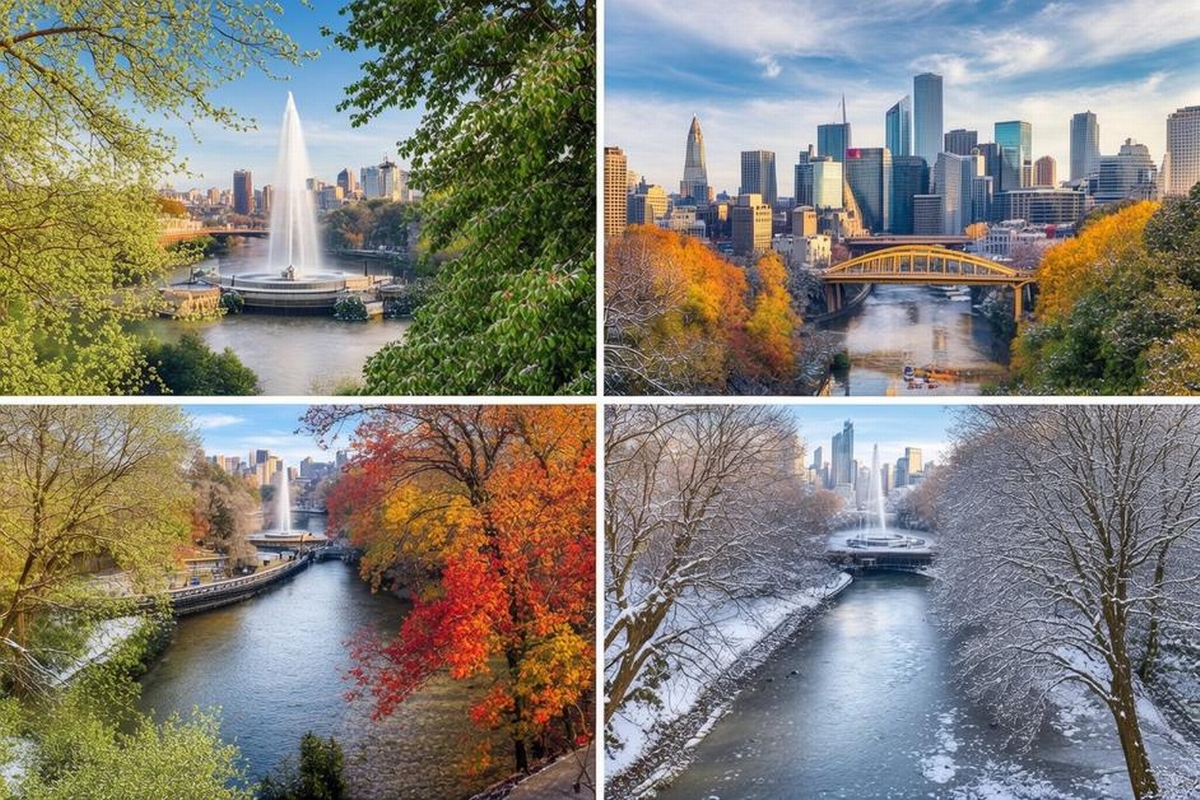
Pittsburgh’s climate is classified as humid continental, featuring four distinct seasons with variations in temperature and precipitation. On average, temperatures can fluctuate drastically from winter to summer.
Winter in Pittsburgh is marked by cold temperatures and frequent snowfall. The average temperature during these months typically ranges from 21°F to 41°F. Cold snaps can lead to temperatures dropping below freezing, making it imperative to winterize homes and prepare for potential heating system failures.
One way to protect your property from harsh winter conditions is to opt for services like water damage restoration in Pittsburgh to address any issues caused by ice or snow accumulation. Regular maintenance and monitoring are key to preventing winter weather from causing significant damage.
As winter gives way to spring, temperatures in Pittsburgh begin to rise gradually. March is often still chilly, with temperatures ranging from 30°F to 50°F, but by May, the average temperature is a pleasant 50°F to 70°F.
Spring can bring significant rainfall, contributing to potential flooding risks. Preparing your home with proper drainage systems and regular inspections can mitigate damage. This season of renewal is also ideal for addressing any mold issues that may have developed during the damp winter months. Professional mold removal and remediation services ensure that your home remains healthy and safe.
Summer in Pittsburgh is warm, with temperatures ranging from 60°F to 85°F. The city can experience humidity spikes, particularly in late summer, which can impact both comfort and infrastructure. High humidity levels emphasize the importance of a well-functioning HVAC system and adequate home ventilation.
For homeowners, summer is a great time to inspect roofs and gutters, ensuring they're free from obstructions that could lead to water accumulation during summer storms. Take advantage of services like fire damage restoration to inspect and rectify any vulnerabilities from electrical systems overheating due to high temperatures.
To cool off, residents can enjoy Pittsburgh’s numerous outdoor activities, such as strolling through Schenley Park or enjoying the view from Mount Washington. Summer is the season to enjoy the city's landscape and numerous festivities that take advantage of the longer daylight hours.
Fall emerges with temperatures cooling down to a range of 40°F to 65°F. This season is tranquil, with crisp air and vibrant autumn leaves painting the landscape, offering a respite before the winter chill returns.
Fall is the ideal time to prepare for the upcoming winter. It's crucial to inspect and repair any roofing or window issues, as unresolved damage can lead to heat loss and increased energy bills during winter. Additionally, regular inspections for any draft sources can help maintain energy efficiency in homes.
Understanding the average temp in Pittsburgh for each season not only informs personal preparedness but also guides necessary maintenance and restoration efforts. Changing temperatures can lead to unpredictable weather-related damage, making it essential for residents to have trusted professionals available for assistance whenever these issues arise.
For those in the surrounding areas, the need remains the same. Advanced structural drying services in Trafford, for example, can address specific regional weather challenges while offering peace of mind with professional care.
Being informed about the average temp in Pittsburgh and its effects on daily life empowers residents to take proactive steps in caring for their homes and surroundings. By understanding and anticipating the city's climate patterns, effective adjustments and timely maintenance can prevent damage and enhance comfort throughout the year.
If Pittsburgh's varied climate leaves you facing unexpected property challenges or if you're simply looking for preventative advice, consider enlisting the expertise of the TRT The Restoration Team. As leaders in damage restoration services, they offer tailored solutions to address the unique weather-related issues faced by Pittsburgh residents.
Seasons change, and so do the risks they pose. Equip yourself with the knowledge and support needed to safeguard your home and enjoy the beauty that each Pittsburgh season has to offer. With the right preparation and professional guidance, you can face the city's climate with confidence. Take the first step. Reach out to the TRT The Restoration Team today for expert assistance with your restoration needs.