Mold on Metal - Can It Grow on Metal and Other Mold and Metal Facts
June 17, 2026
The Restoration Team, LLC
Blog
A house fire is a devastating event that leaves many people grappling with loss and uncertainty. One of the immediate challenges homeowners face is dealing with insurance adjusters. Understanding how to deal with insurance adjuster after a house fire is crucial for ensuring you receive a fair settlement. For those in need of immediate assistance, damage restoration services in Pittsburgh provide a lifeline during these challenging times.
When disaster strikes, your insurance policy should offer the financial support needed to rebuild. Yet, navigating the insurance claim process can be daunting. This article aims to demystify the process of working with insurance adjusters, guiding you through what to expect and how to advocate for your needs effectively. From documenting your losses to negotiating settlements, we'll cover the essential steps to take after a house fire, providing peace of mind in an otherwise chaotic situation.
Insurance adjusters play a pivotal role in the recovery process after a house fire. They are tasked with evaluating your insurance claim and determining the appropriate compensation based on the terms of your policy. However, it's important to remember that while adjusters work closely with you, their primary loyalty is to the insurance company.
Adjusters assess the damage to your property, calculate the cost of repairs or replacement, and ensure that all documentation complies with the company's requirements. Their evaluation determines the payout you will receive, making their role critical to your financial recovery efforts.
There are three main types of insurance adjusters:
Understanding these roles can help you decide whether to handle the claim yourself or hire a public adjuster for professional support.
A structured approach can simplify the process of dealing with an insurance adjuster. Here's a step-by-step guide to ensure you handle your claim effectively:
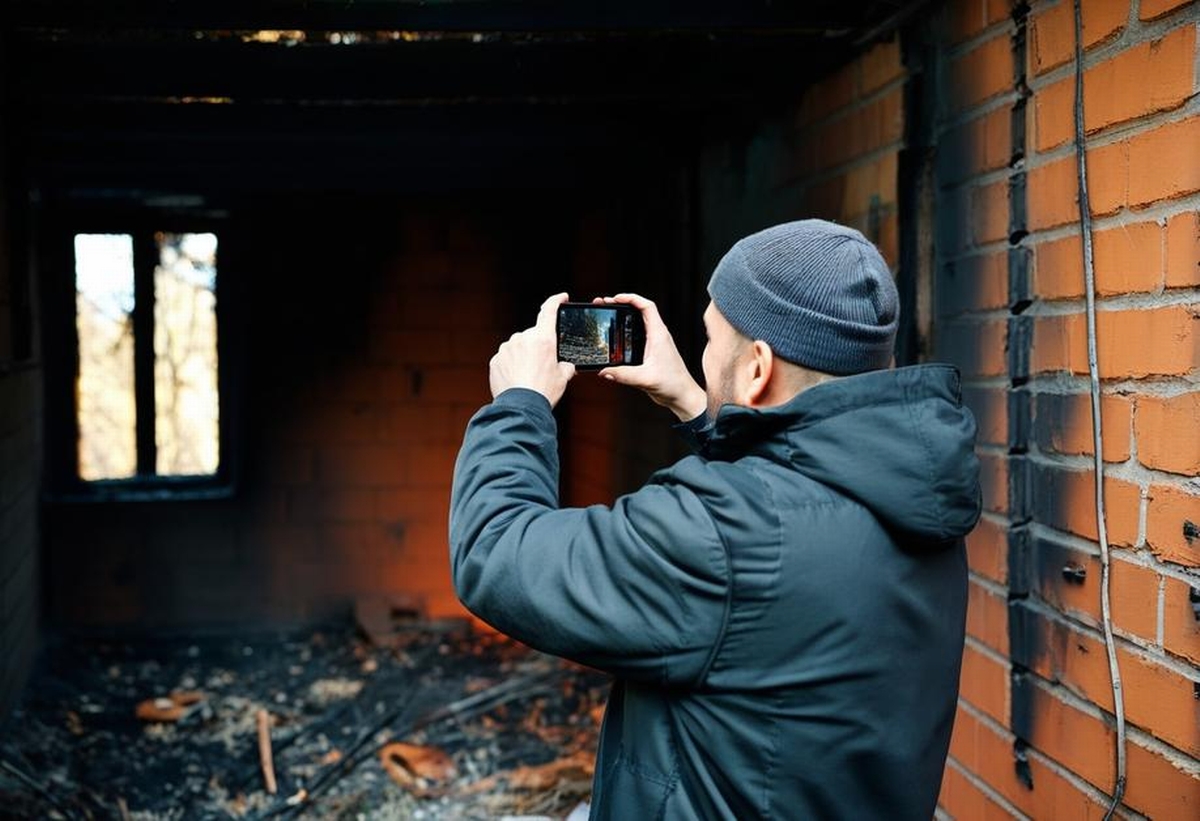
Begin by thoroughly documenting the damage. Use your smartphone or a camera to capture high-resolution images and videos of affected areas. Make a list of damaged items, including descriptions, purchase dates, and approximate values. This documentation will be vital for verifying your claim with the adjuster.
Pro Tip: Consider photographing before and after images if you have them, to clearly show the contrast and extent of the damage.
Insurance policies often require homeowners to take reasonable steps to prevent further damage. This might include boarding up broken windows or covering damaged roofs. Failing to do so could result in reduced compensation. Keep receipts for any expenses incurred during these efforts; your insurer will typically reimburse reasonable costs.
Understanding your insurance policy is crucial for successful negotiation. Familiarize yourself with coverage limits, exclusions, and any endorsements or riders. Knowing what your policy covers will help you advocate effectively for your claim.
Keep lines of communication open with your insurance adjuster. Document all interactions, including phone calls, emails, and letters. This paper trail will serve as a record should any disputes arise later in the process.
In some cases, hiring a public adjuster or consulting a contractor for an independent damage assessment can be beneficial. Professionals who specialize in fire damage restoration in Pittsburgh and its nearby areas can provide estimates that may strengthen your case with the insurance adjuster.
Once your claim is submitted, the negotiation phase begins. Here are some strategies to ensure you receive a fair settlement:
Review the adjuster's assessment closely. Compare it with your documentation and any third-party evaluations you obtained. If discrepancies arise, discuss them openly. Request clarification on any points you find unclear or inconsistent.
If the initial settlement offer is lower than expected, be prepared to counter. Provide evidence, such as contractor estimates, to justify your request for a higher payout. Remember, it's within your rights to negotiate.
If negotiations stall or if the offer remains unsatisfactory, it might be time to escalate the matter. You can request a re-evaluation from the insurance company or seek legal counsel. Knowing when to stand firm and when to seek outside help is critical in ensuring your needs are met.
While dealing with insurance adjusters, several challenges may arise:
Insurance companies handle numerous claims, which can lead to delays. Maintain proactive communication and document every interaction to underscore the urgency of your case.
Should disputes about policy terms or coverage arise, refer to your policy document. If disagreements persist, consider arbitration or legal advice to resolve issues.
Adjusters may underestimate the scope of necessary repairs. Providing comprehensive documentation and professional third-party estimates can support your claim.
As you navigate the complex landscape of insurance claims and recovery, TRT The Restoration Team can offer invaluable support. With their expertise in restoring properties after disasters, they deliver cutting-edge solutions tailored to your specific needs. Whether you're facing water damage reconstruction in Murrysville or need advanced structural drying, their professional approach provides peace of mind.
If you're dealing with the aftermath of a fire and feel overwhelmed, consider reaching out for expert assistance. TRT The Restoration Team is dedicated to guiding you through the recovery process, ensuring your home is restored to its former condition. With a commitment to quality and customer satisfaction, they stand ready to help you rebuild and restore.