Knowing the Signs of Mold - What It Looks Like and Smells Like
June 9, 2026
The Restoration Team, LLC
Blog
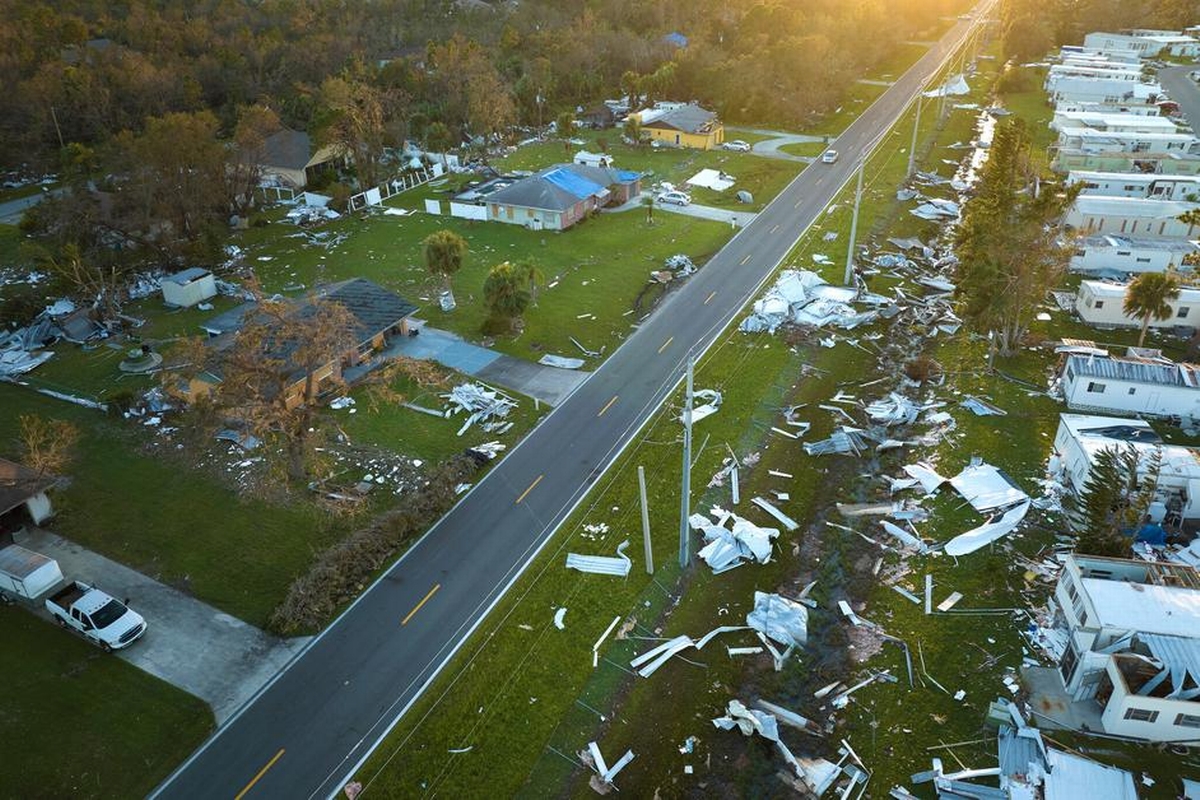
In the swirling chaos of nature’s extreme forces, a large storm stands as a formidable adversary. The question on many minds in the midst of storm season: How bad are different types of storms? For those residing in vulnerable areas, understanding the breadth of this devastation can be crucial. TRT The Restoration Team, experts in damage restoration services in Pittsburgh, PA, help mitigate such impacts through critical services like water damage restoration to shield and recover properties from such natural calamities.
Preparing for severe weather starts with understanding the wide range of risks a property can face. In Pennsylvania, storm damage is not limited to one weather event or one season. Homeowners and property managers may deal with strong thunderstorms, winter storms, ice storms, nor’easters, tornado-producing systems, and flash flooding from prolonged rainfall. This blog explores six major types of damage caused by different types of storms, with a focus on the weather patterns that commonly affect Pennsylvania. From roof loss and water intrusion to structural failures and environmental impacts, knowing what to expect can help you respond faster and recover more effectively.
High winds are one of the most common threats associated with severe weather in Pennsylvania. Thunderstorms, straight-line wind events, tornadoes, and intense seasonal systems can all tear shingles from roofs, damage siding, break windows, and turn loose outdoor objects into dangerous projectiles. Trees and limbs may fall onto homes, vehicles, and utility lines, leading to power outages and immediate safety concerns. In some cases, the visible damage is only the beginning, especially when wind creates openings that allow water to move into the structure.
Once a roof or exterior wall is compromised, even a relatively short storm can create major interior damage. Rain entering through missing shingles, damaged flashing, or broken windows can affect insulation, ceilings, flooring, and wall cavities. That is why storm response often involves more than exterior repairs alone. A complete recovery plan may include emergency board-up services, roof tarping, structural drying, and interior restoration to address the full impact of the event.
Flooding is a serious issue across many parts of Pennsylvania, especially during heavy rain events, snowmelt, and slow-moving storm systems. Some types of storms bring repeated rounds of rainfall that overwhelm storm drains, creeks, rivers, and low-lying areas. Basements may fill with water, foundations can become saturated, and first-floor living areas may suffer widespread damage in a matter of hours. Even properties outside designated flood zones can experience major losses when drainage systems cannot keep up with the volume of water.
Water damage often spreads farther than most people expect. Moisture can move behind walls, beneath flooring, and into structural materials, where it increases the risk of warping, deterioration, and microbial growth. Prompt extraction and professional drying are essential for limiting long-term damage. In many cases, restoration teams must also inspect insulation, framing, and mechanical systems to determine how far the water traveled and what materials can be saved.
Storm-related structural damage is not always caused by one dramatic event. In Pennsylvania, winter storms and ice accumulation can put prolonged stress on roofs, gutters, supports, and overhangs. Heavy snow loads may weaken roofing systems, while ice dams can force water beneath shingles and into attic spaces. Add high winds, freeze-thaw cycles, or saturated soil from previous rain, and the integrity of a building can quickly be affected. Severe thunderstorms and tornadoes can also cause partial collapses, cracked framing, or shifting in already vulnerable structures.
These repairs require more than surface-level cleanup. Restoration professionals often need to assess framing, roof decking, foundation stability, and load-bearing elements before rebuilding begins. Code-compliant repairs are critical, especially when storm damage affects essential structural systems. A detailed inspection helps determine whether the property can be repaired in place or whether portions of the structure need to be reinforced or reconstructed.
Not all storm damage is dramatic at first glance. Hailstorms and ice events can leave behind damage that is easy to miss but costly over time. Roofing materials may become bruised or fractured, siding can crack, gutters may loosen, and windows or skylights can become compromised. Pennsylvania properties are especially vulnerable when hail or ice strikes aging exterior materials that are already stressed by seasonal weather changes. These conditions are among the most overlooked types of storms because the damage may not be obvious from the ground.
If left unaddressed, minor exterior damage can turn into leaks, insulation problems, and interior deterioration. Water may begin entering the building during later rainstorms, long after the original weather event has passed. That is why post-storm inspections are so important after hail, sleet, or ice. Identifying damaged shingles, flashing, seals, and drainage components early can help reduce the scope of future repairs and preserve the condition of the building envelope.
Storms can also reshape the landscape around a property and affect the surrounding environment. In Pennsylvania, saturated ground, flash flooding, and wind events can uproot trees, wash out slopes, damage retaining walls, and alter drainage patterns. Yards may erode, nearby creeks may overflow, and debris can spread across residential and commercial properties. Wetlands, wooded areas, and local habitats may also be disrupted when storms change the flow of water or destroy vegetation that helps stabilize the land.
Environmental recovery is often part of the broader restoration process. Removing fallen trees, clearing debris, correcting drainage issues, and addressing erosion can all help protect the structure from repeat damage. In some cases, long-term solutions such as grading adjustments, drainage improvements, or landscape restoration are needed to reduce future storm vulnerability. Recovery is most effective when the building and the land around it are evaluated together rather than treated as separate problems.
The impact of storms goes well beyond physical damage. When a home or business is affected, the financial consequences can build quickly. Families may need temporary housing, businesses may lose revenue during closures, and owners often face repair costs, insurance delays, and interruptions to normal routines. In Pennsylvania, recurring storms throughout the year can make recovery even more difficult because one event may strike before the previous damage has been fully resolved.
Restoration support plays a major role in helping properties return to normal. Fast mitigation, accurate documentation, and a coordinated repair strategy can reduce downtime and make insurance claims easier to manage. Whether the damage comes from wind, hail, flooding, snow, or ice, a timely response helps protect both the property itself and the people who rely on it every day.
Understanding the many ways severe weather can affect a property is a key part of being prepared. Pennsylvania experiences a broad mix of weather risks throughout the year, so storm preparedness should account for more than one scenario. Reinforced roofing systems, routine drainage maintenance, emergency planning, and prompt post-storm inspections can all make a meaningful difference. When damage does occur, working with experienced restoration professionals helps property owners move from emergency response to long-term recovery with greater confidence.
Beyond the physical wreckage, a Category 4 hurricane inflicts significant economic damage. Businesses face temporary closures or permanent shutdowns, affecting employment and income. Infrastructure repair costs soar, straining public and private funds alike. The economic reverberations can last years, with affected areas facing challenges in attracting investment and rebuilding their livelihoods.
While economic recovery demands a multifaceted approach, support from governmental agencies, insurance providers, and restoration professionals like TRT The Restoration Team helps communities rebuild. Targeted initiatives, including water damage restoration projects in Pittsburgh and beyond, can revitalize economic activities and restore the normalcy of daily life.
Understanding how bad a Category 4 hurricane is not just about assessing potential damage, but also about forging resilience. By engaging with experts in damage prevention and restoration, communities can develop tailored strategies to mitigate hurricane impacts. Resources like emergency preparedness plans, reinforced building techniques, and post-storm restoration procedures play an integral role in this endeavor.
The aftermath of a hurricane is a time of turmoil and recovery - a journey no one should undertake alone. It involves coordinated efforts in restoration to restore life’s balance. Partnering with a proven leader in restoration services can make all the difference. TRT The Restoration Team offers essential services such as mold removal and remediation in Edgeworth, equipping communities to recover and rebuild better than before.
Whether faced with immediate structural remediation, long-term environmental recovery, or economic reinvigoration, the road to recovery is smoother with expert guidance. Embrace resilience, prepare wisely, and let experts like TRT The Restoration Team be your beacon of hope and recovery against nature's fiercest trials. Reach out to us today!