What the pH of Pittsburgh Water Means for Homes
May 21, 2026
The Restoration Team, LLC
Blog

Flooding can wreak havoc on any household, leading to waterlogged floors and potential long-term damage if not addressed promptly. One of the most important tasks following a flood is learning how to dry flooded carpet effectively. This can be a daunting but absolutely crucial task. The longer your carpet stays wet, the greater the chances of mold and mildew development, which can compromise both your home’s integrity and your health. For those in need, restoration contractors in Pittsburgh and across Western Pennsylvania offer professional services to aid in situations like these, ensuring that your living space returns to its former state of comfort and safety.
The critical role of addressing a flooded carpet cannot be overstated. Acting quickly helps prevent further damage and reduces the risk of health issues or irreversible damage to your home’s structure. This blog will walk you through the practical steps needed to ensure that your carpet is dried thoroughly and safely. By the end of this post, you should have a clear understanding of the action steps needed to reclaim your home from water damage.
Flooded carpets are more than just a moisture issue. Carpets act like sponges and can hold onto a significant amount of water, creating a breeding ground for mold and bacteria. The moisture can also seep into the subfloor and other structural elements if not addressed promptly. To safeguard your home and health, understanding the situation's urgency is essential.
Additionally, the smell of dampness combined with the growth of mold can contribute to an unpleasant and unhealthy living environment. If left untreated, this not only damages your home but could also affect insurance claims and future property value.
The first step in how to dry flooded carpet is a thorough assessment of the situation. Start by stopping the source of the water, if possible, to prevent further flooding. Once the area is secured, removing as much water as possible is crucial.
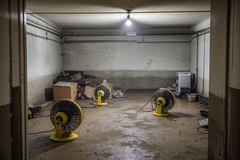
Professional services in advanced structural drying in Pittsburgh can be a lifesaver here, as these specialists use commercial-grade equipment to expedite the drying process.
Once the majority of the water is removed, drying the carpet is your next priority. This extends beyond merely getting the surface dry. You need to ensure that moisture doesn’t linger in the padding or flooring beneath.
Sanitizing the carpet is vital after the initial drying to prevent health issues and maintain a pleasant indoor environment. Bacteria and mold thrive in moist conditions and can spread quickly.
After the carpet is dry and sanitized, inspect for damage. Look for discolored patches or persistent odors, which might signify mold growth. Damaged areas might require professional attention or even replacement.
Engaging restoration specialists can help thoroughly assess any underlying damage that might not be immediately visible. For instance, hiring experts in mold removal and remediation in Export and beyond ensures comprehensive treatment and mitigates future risk.
Now that your carpet is dry, consider measures to prevent future flooding. Enhancing your home’s resilience can save substantial costs and hassle in the long run.
When carpets become flooded, timeliness and thoroughness are your best allies in minimizing damage. However, tackling such issues might be overwhelming, especially if the flooding is significant. In these situations, professional assistance can be instrumental. Restoration services offer not only advanced techniques but also peace of mind. When considering such services, choosing experienced teams like TRT The Restoration Team can ensure that your carpet and home are in the safest hands possible.
As you tackle your carpet drying process, remember your local experts are there to provide assistance, ensuring that your home is returned to its proper condition swiftly and safely. Take the proactive step of contacting TRT The Restoration Team for a free consultation or query for your water damage restoration needs. Their skilled restoration contractors in Pittsburgh are equipped and ready to help maintain your home’s safety and comfort.

May 21, 2026

May 17, 2026
May 15, 2026