Uncovering the Signs of Water Damage in Walls Before Repairs Get Costly
June 15, 2026
The Restoration Team, LLC
Blog
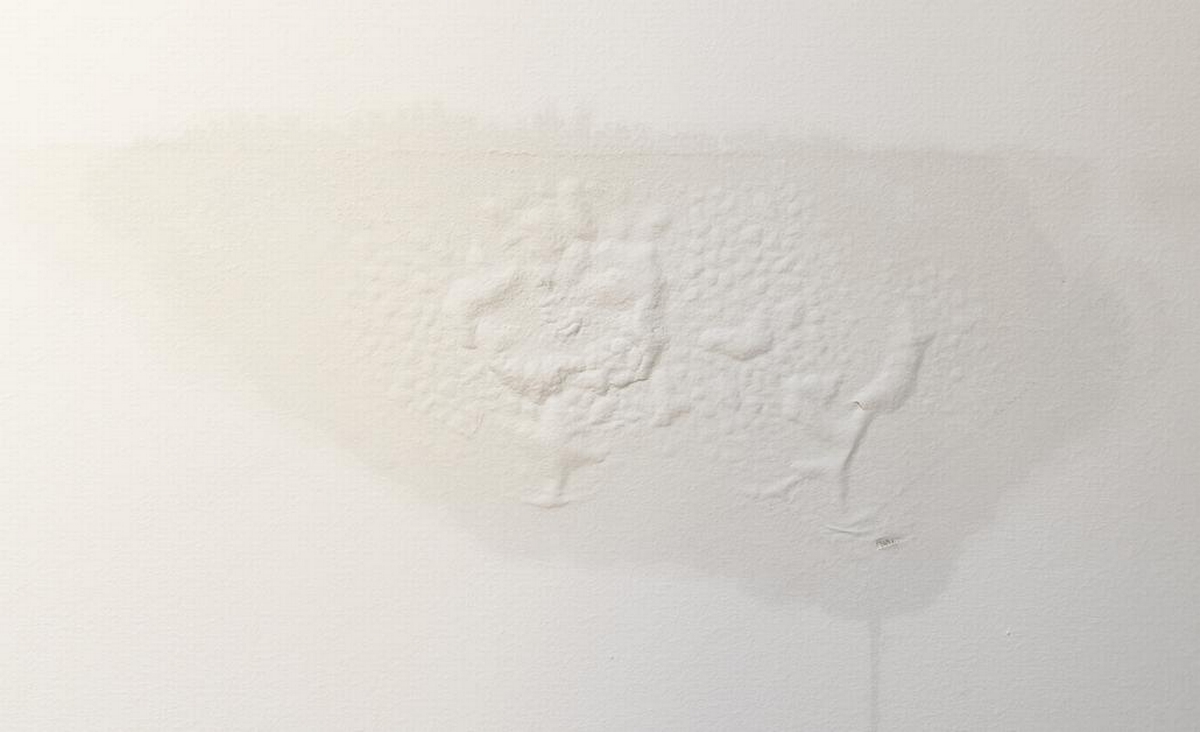
Stains, bubbling paint, and peeling wallpaper are more than just a minor inconvenience - they might be screaming for attention. These are potential signs of water damage in walls that, if ignored, could lead to significant structural issues and costly repairs. In Pittsburgh, PA, homeowners can face challenging weather conditions, which makes it crucial to be vigilant about household maintenance. Partnering with a restoration company in Pittsburgh, PA, can ensure that these issues are addressed promptly. Understanding and identifying these problems early can save not only money but also protect the structural integrity and safety of your home.
Water damage is not always immediately noticeable. It often begins hidden within the walls, creeping through cracks and seams. This blog will delve into various indicators, the underlying causes of water damage, and strategic steps to prevent further deterioration. Whether you're a homeowner or a property manager, discovering how to uncover these signs early can arm you with the knowledge to act decisively.
When it comes to recognizing signs of water damage in walls, visual clues are often the first line of defense. These are noticeable changes in the appearance of your walls, which can be tied directly to water intrusion. Look out for:
Structural issues might not be immediately visible but can manifest in other ways. Listening for unusual sounds and probing suspected areas can help uncover issues before they escalate. Tread carefully if you notice:
Beyond direct indicators, there are secondary signs that might signal potential water damage issues:
To effectively address water damage, it's important to understand its root causes. Here are some common culprits:
Leaky pipes within walls often initiate water damage. Over time, these leaks compound, saturating the wall material, leading to structural weakening.
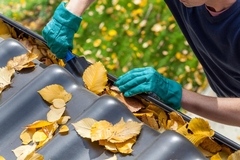
Missing or damaged roof shingles or inadequate sealing can let water into walls during heavy rains. Regular roof inspections and maintenance can mitigate this risk.
Suboptimal home drainage systems can cause water to accumulate at the foundation. This accumulated water can eventually seep into the walls, manifesting as internal water damage.
Incorporating regular inspections into your home maintenance routine is key to early detection of potential problems. Conduct thorough checks, especially after significant weather events. Address any immediate concerns, such as leaks or water stains, as soon as they appear. Regularly maintained homes are less prone to severe water damage.
Protecting your home from water damage involves strategic preventive measures. Here are some actionable steps:
Proactively taking these steps can significantly reduce the risk of water damage and safeguard the longevity of your home’s structural integrity.
Given the potential complexity of water damage, when is it time to call in the pros from a restoration company in Pittsburgh, PA? If you encounter persistent issues or if there are signs of extensive damage, such as large patches of mold or structural concerns, it's time to consult experts. They can assess the extent of the damage and recommend a comprehensive restoration plan.
For intricate cases, advanced structural drying in Pittsburgh and nearby areas may be required. This service can help in drying out areas hidden from plain sight, which can stop the progression of damage.
Protecting your home from the inevitable wear and water-related issues requires swift and informed actions. By recognizing the signs of water damage in walls, you stand in a better position to take corrective action before more significant problems arise. Each sign tells a part of a story that echoes into the core structure of your home.
Homeowners can benefit from professional water damage restoration in areas such as Seven Fields, offered by TRT The Restoration Team. If you notice any sign of water distress, exploring professional services can provide peace of mind and restore your home to its best condition.
TRT The Restoration Team in Pittsburgh, PA, combines expertise with high-quality service, addressing water damage issues effectively. By contacting them, you take a critical step toward safeguarding your residence. Contact us now and maintain the safety and comfort of your living environment.
June 3, 2026